

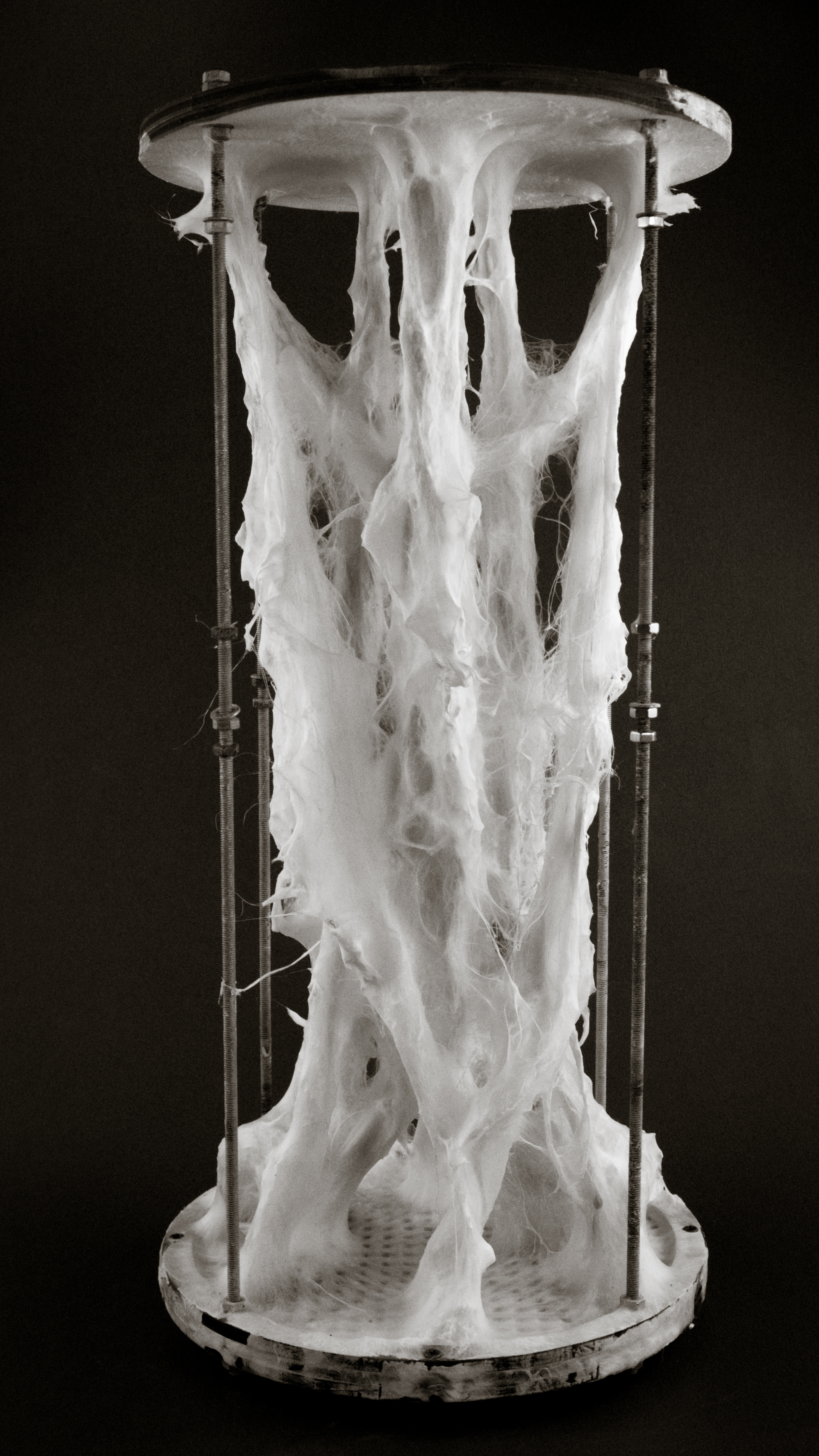
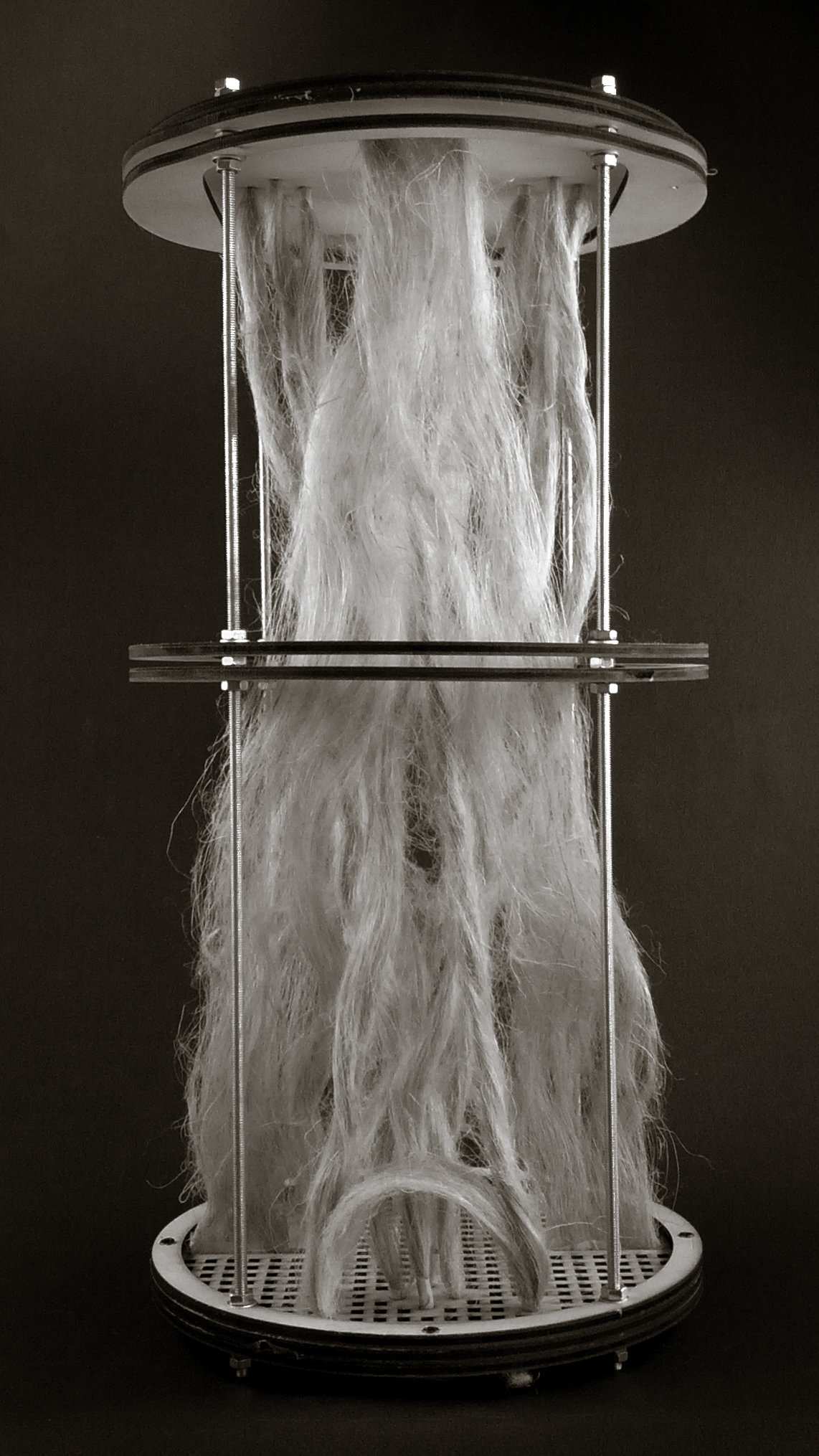
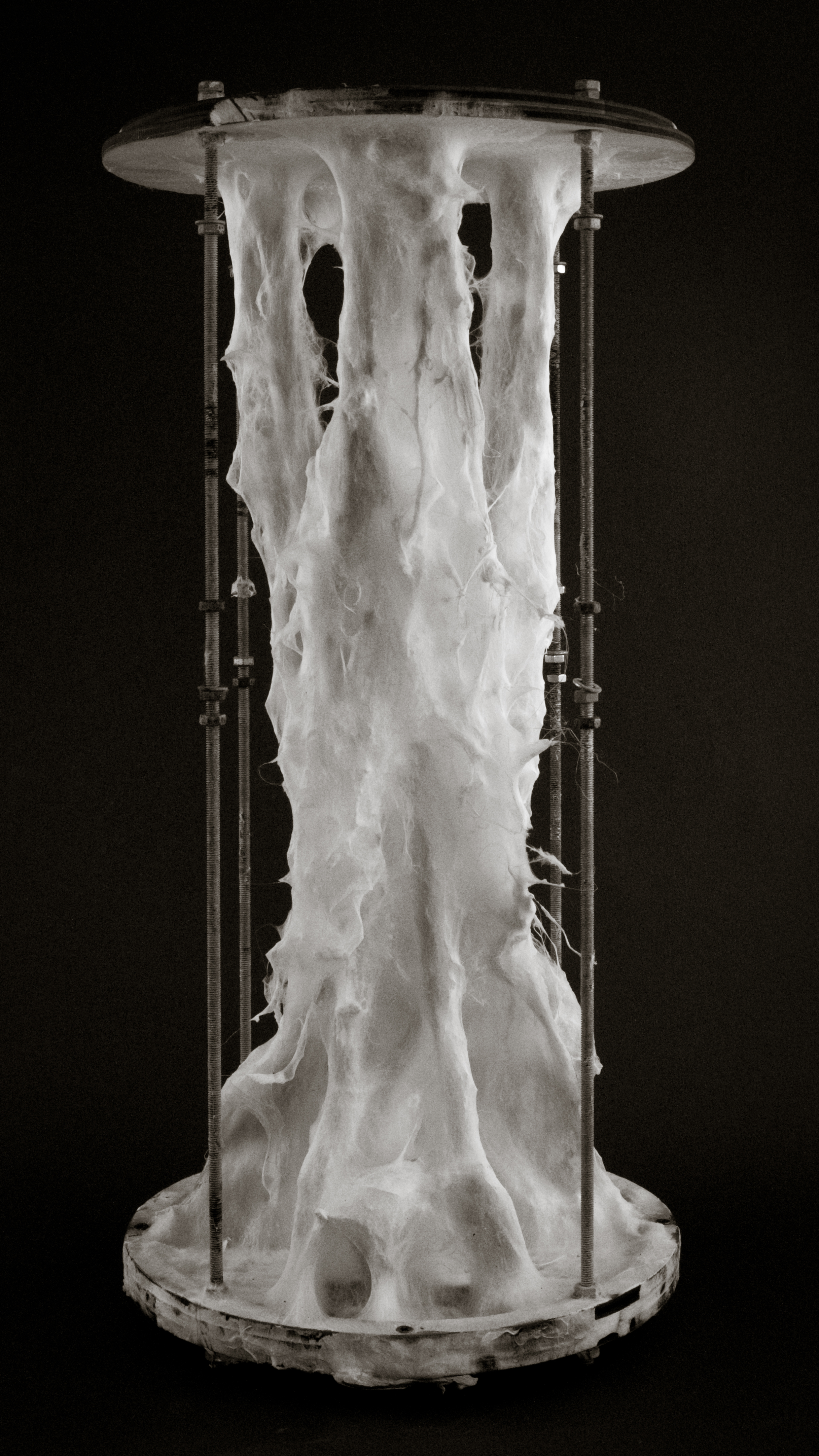
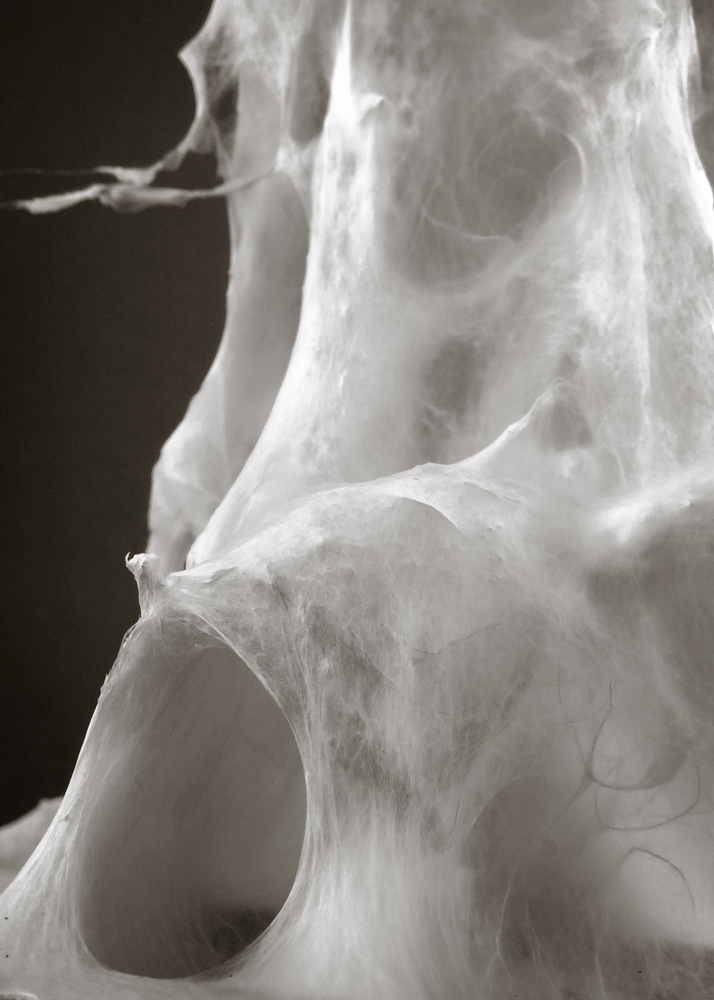
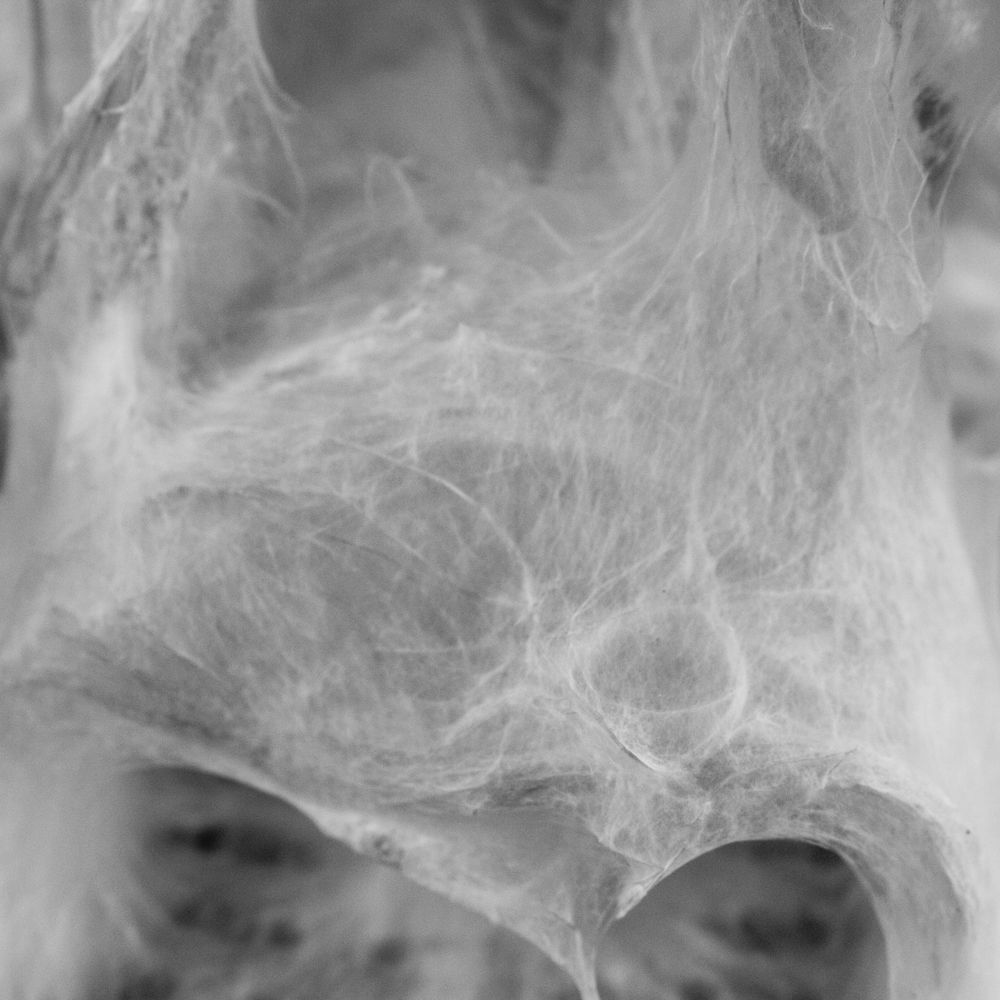
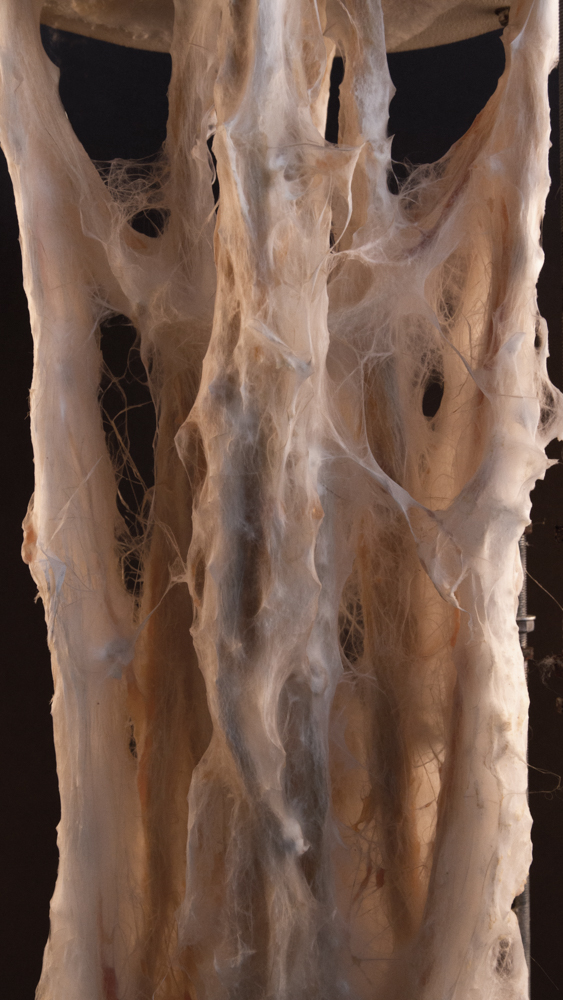
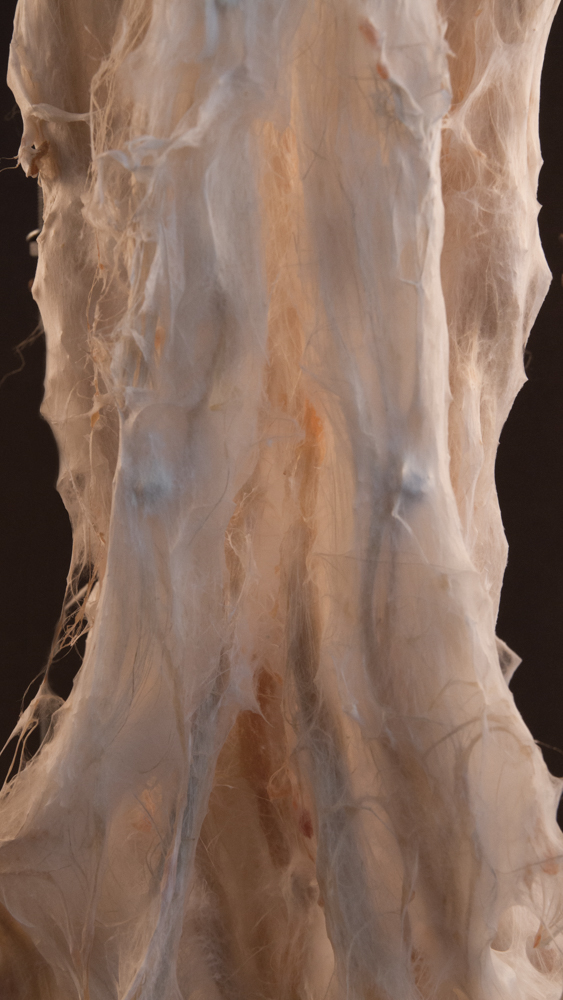
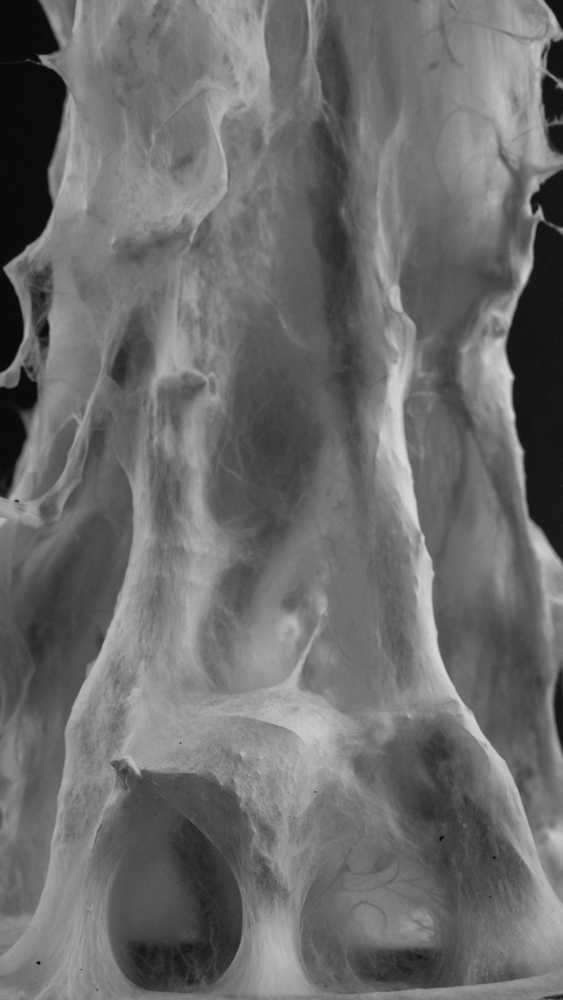
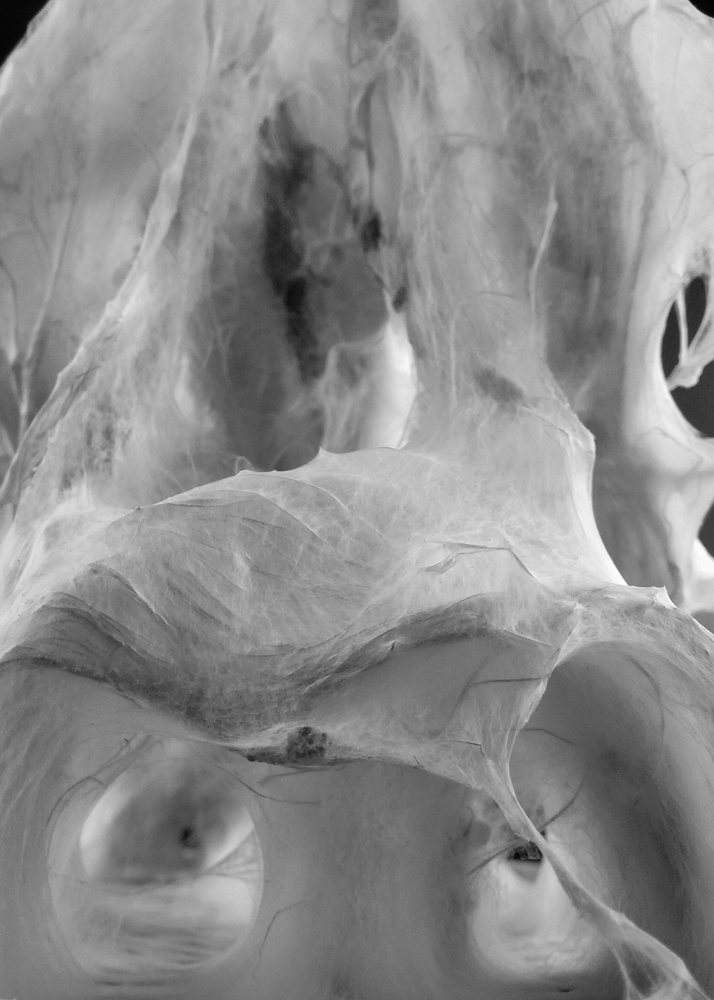
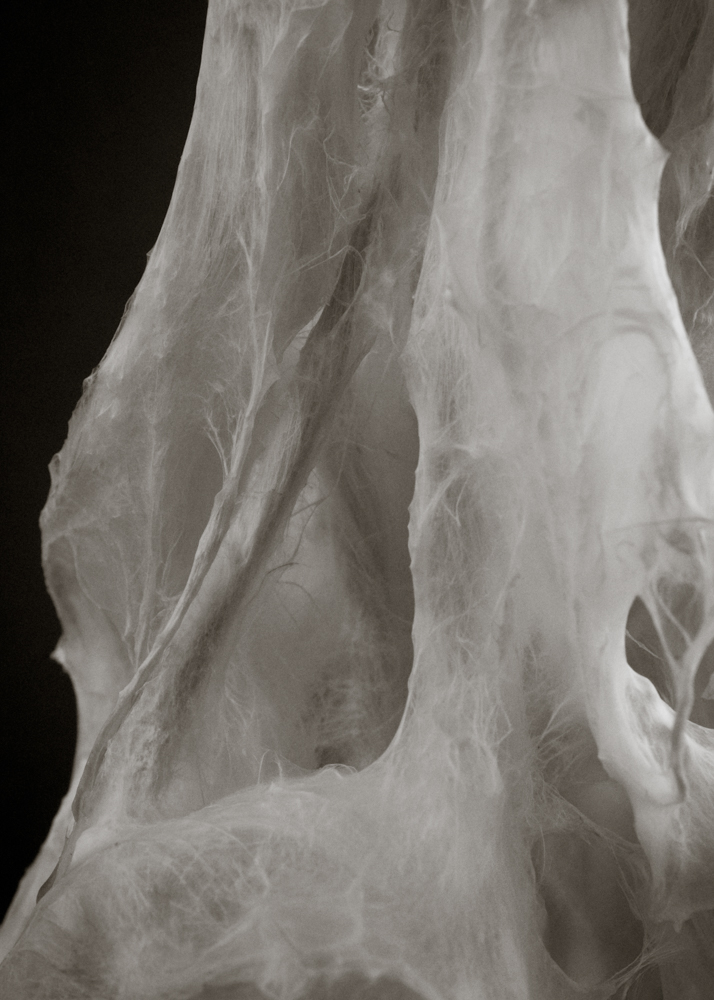
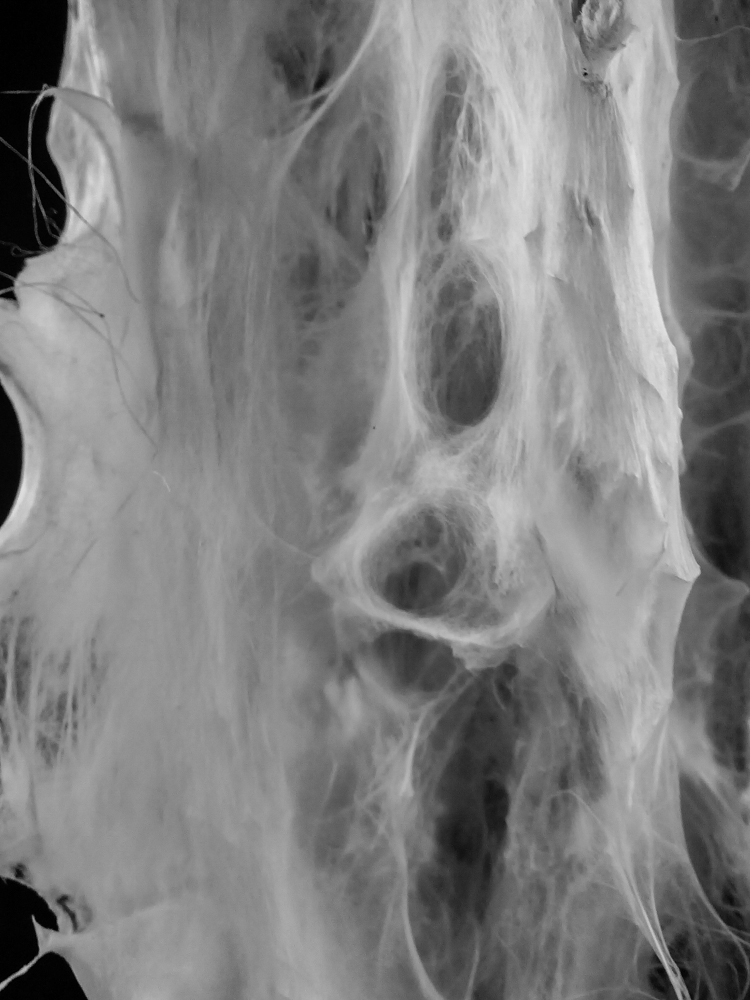
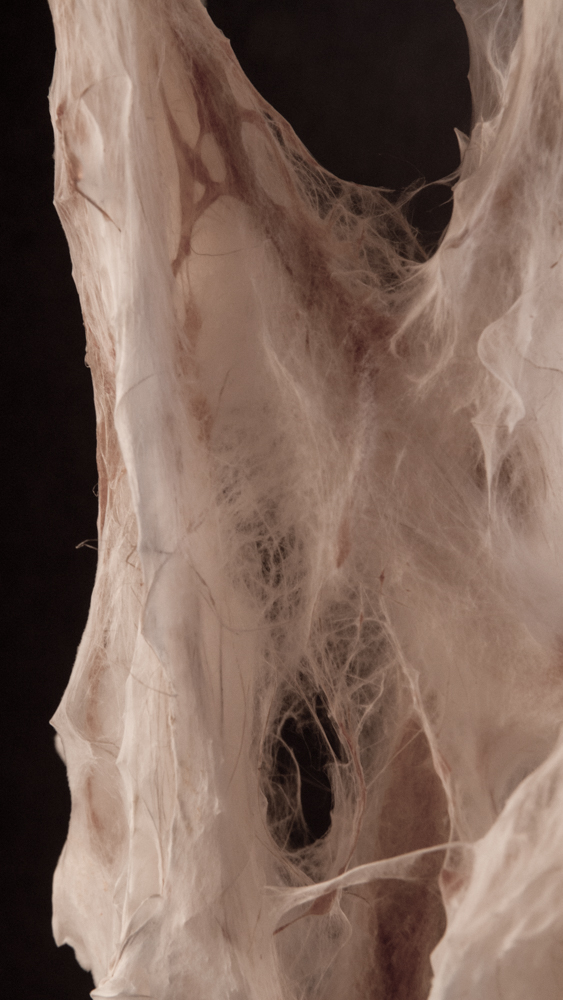
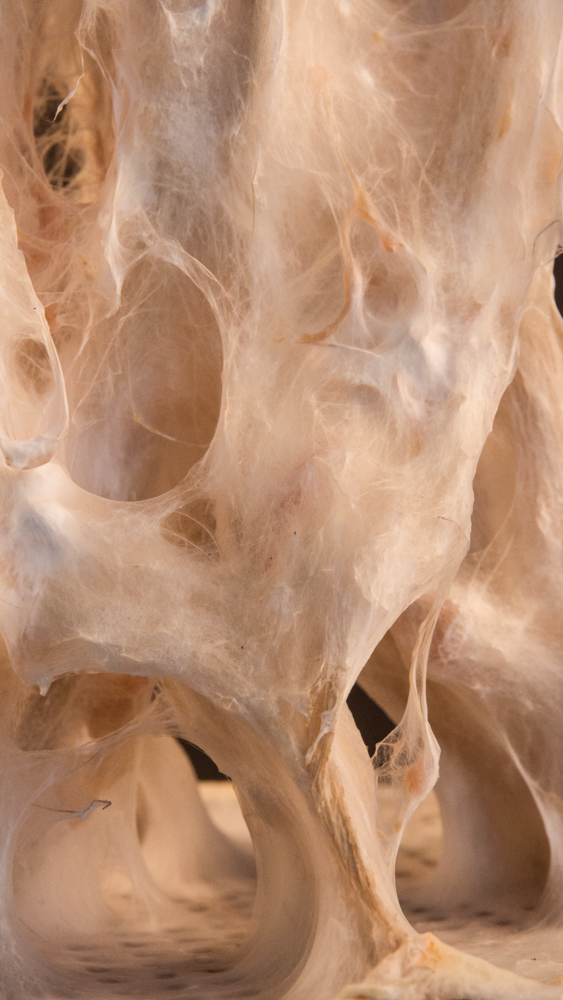
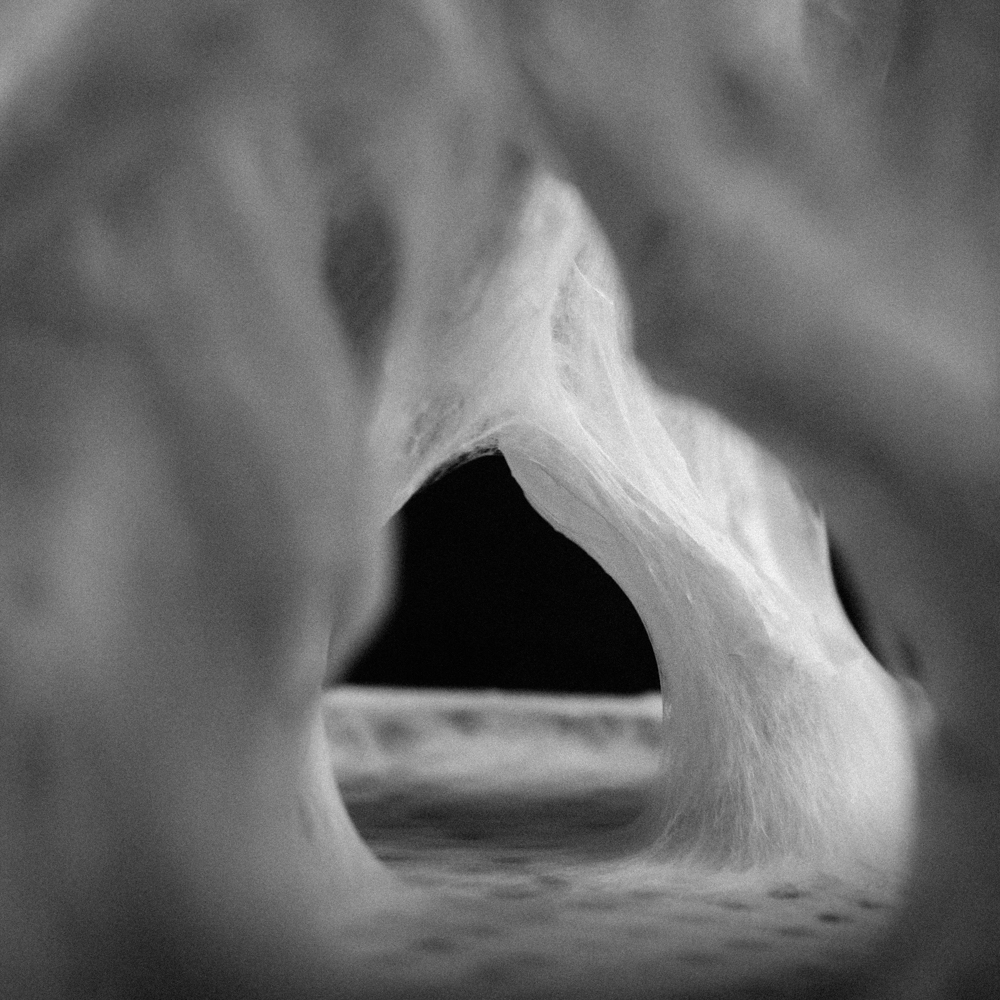
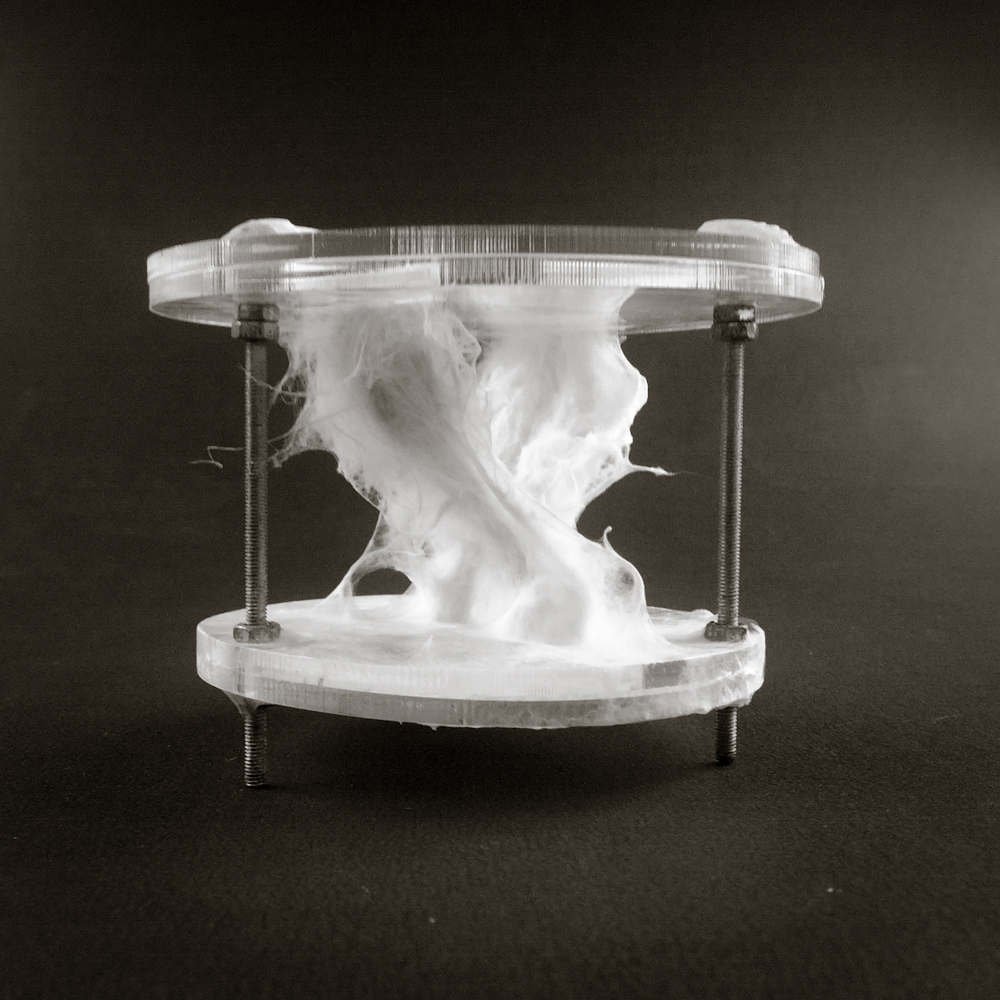
Tests aim to explore system behaviours on a different hemp arrangement. Two kinds of “walls” follow the hemp bending.
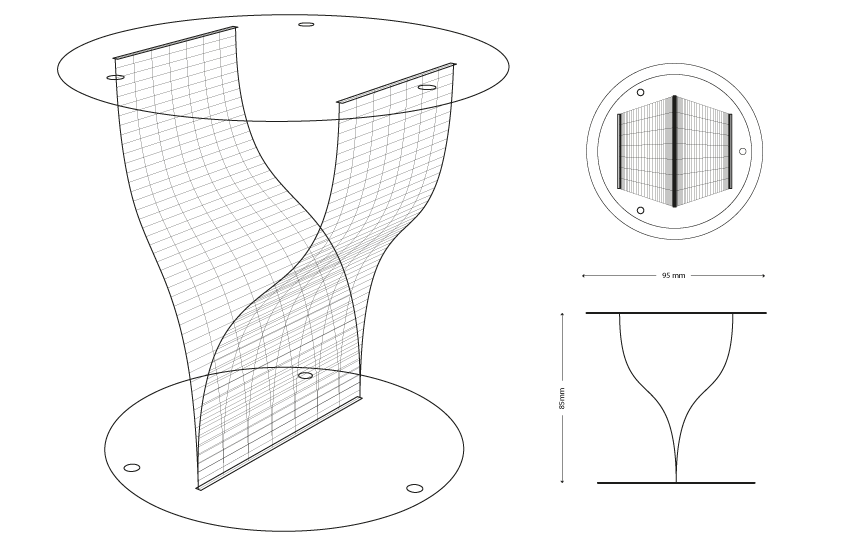
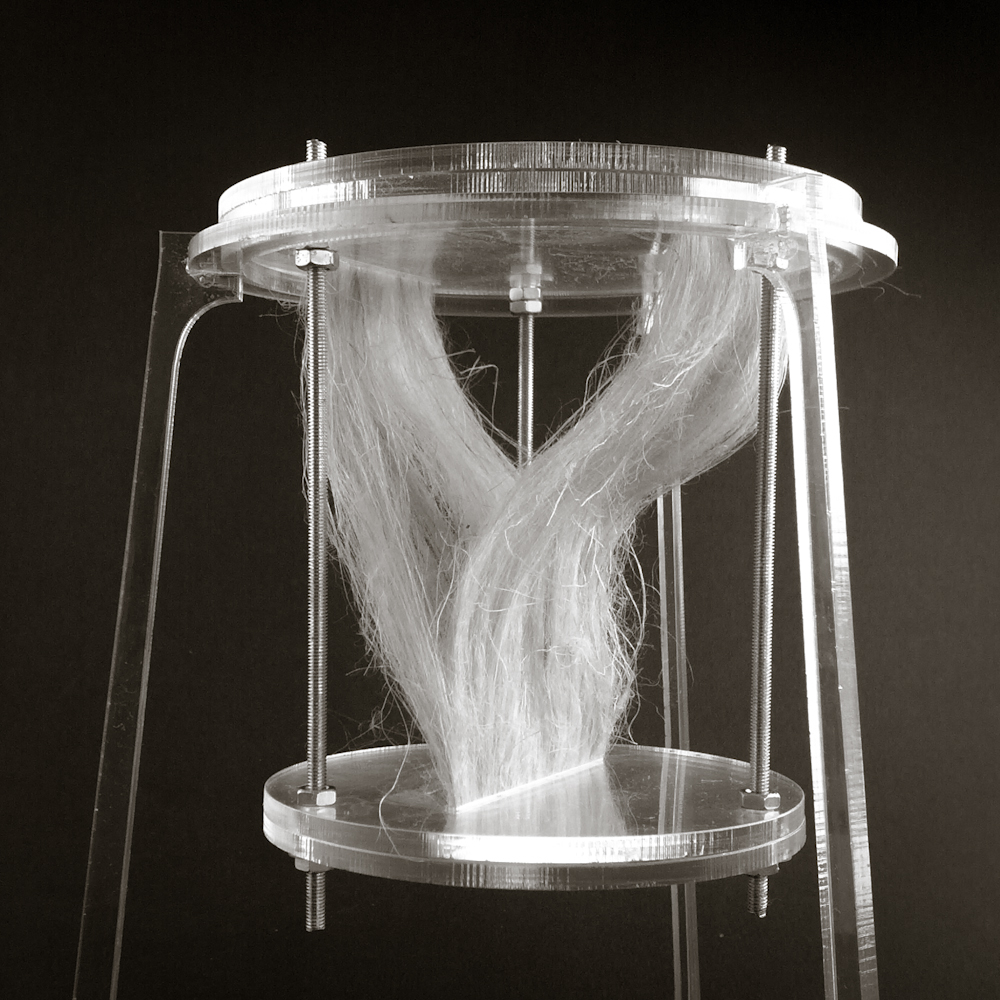
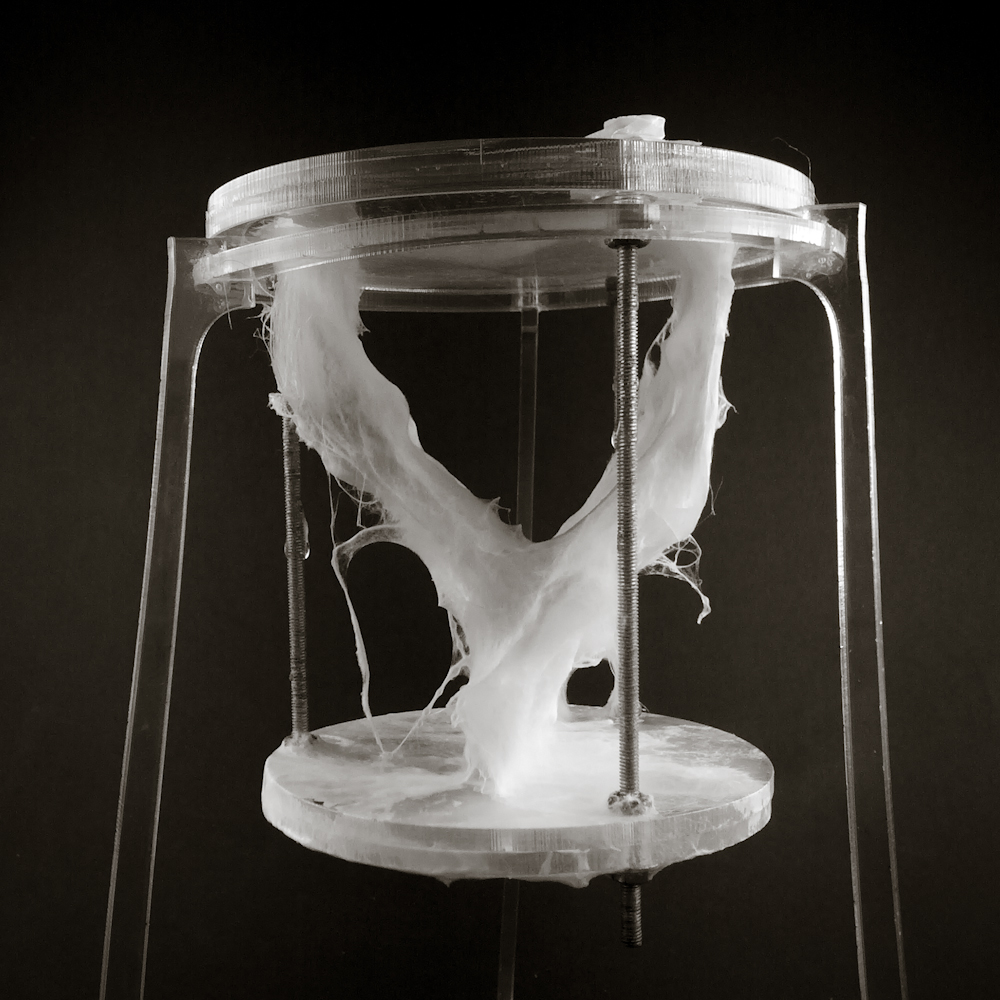
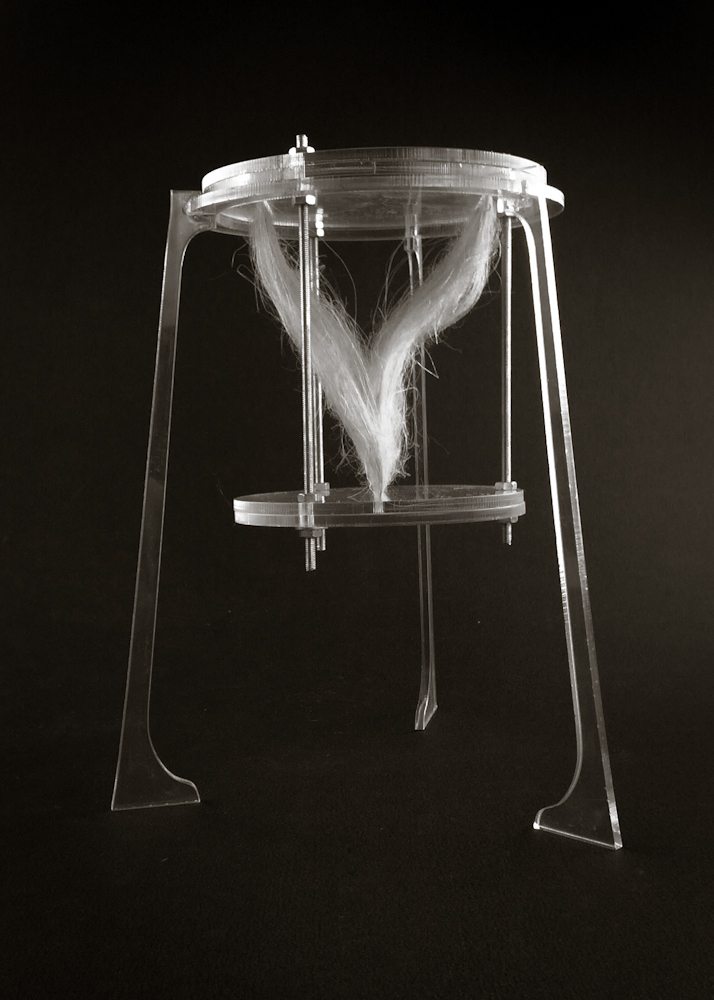
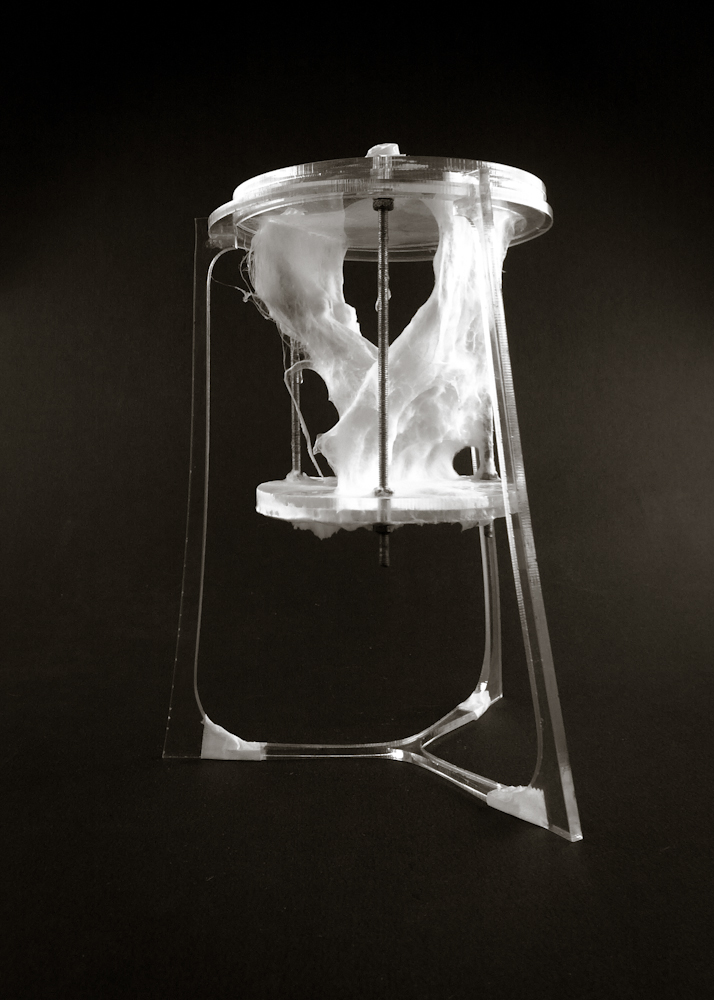
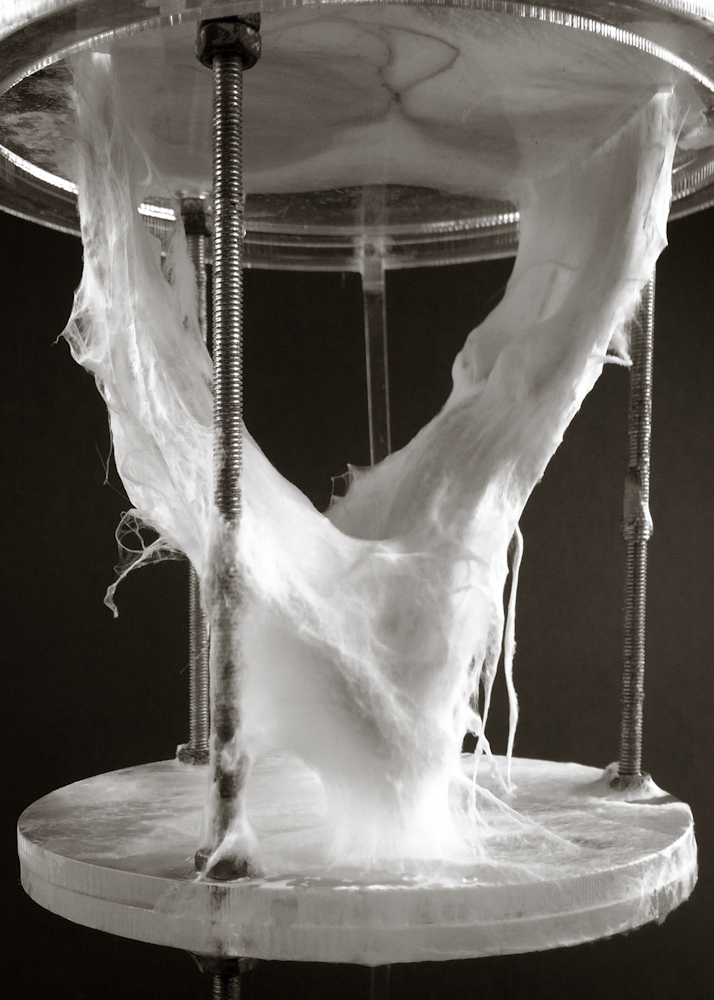
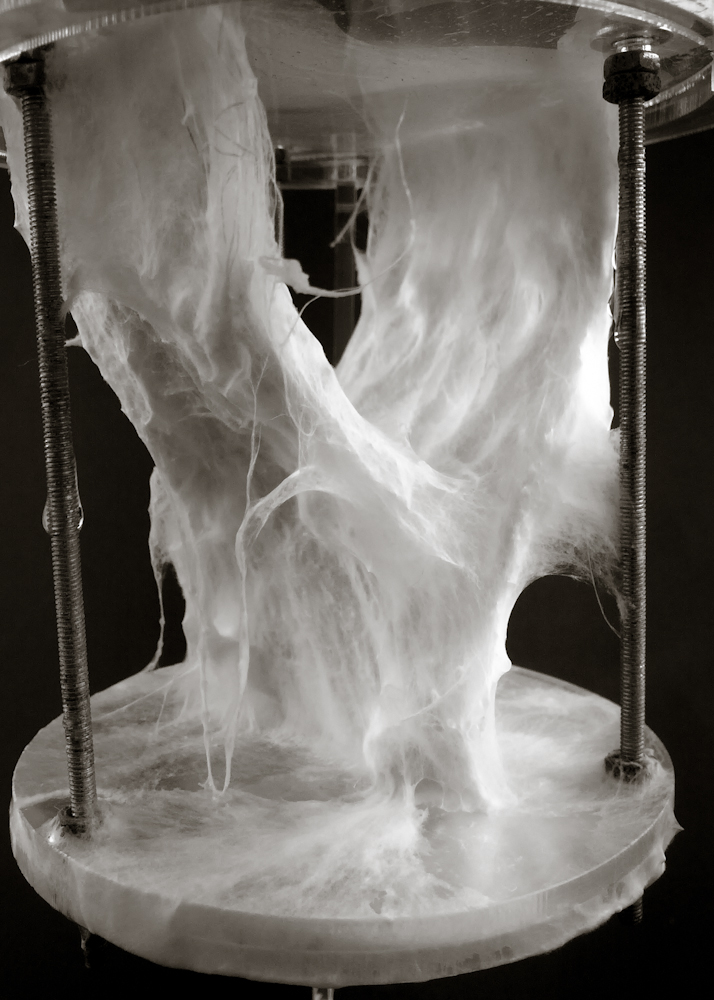
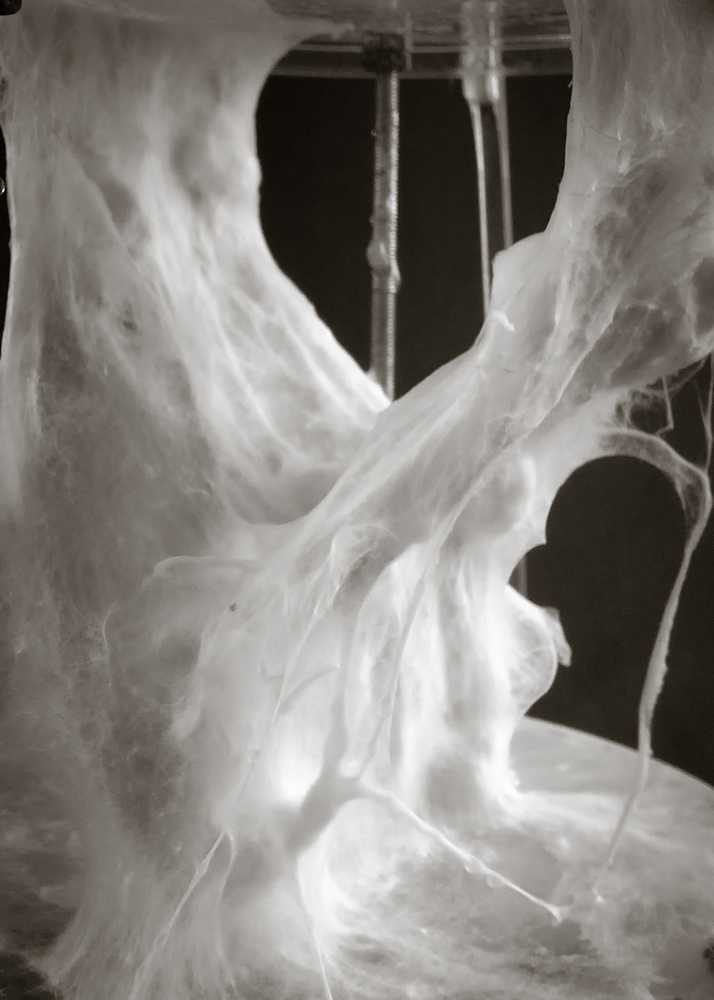
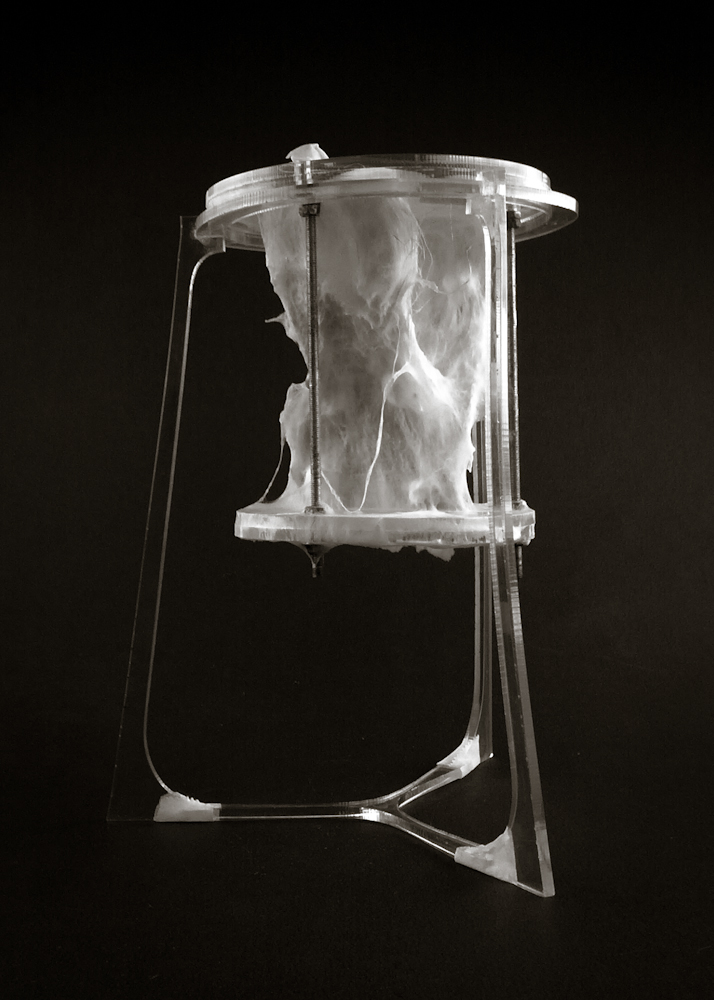
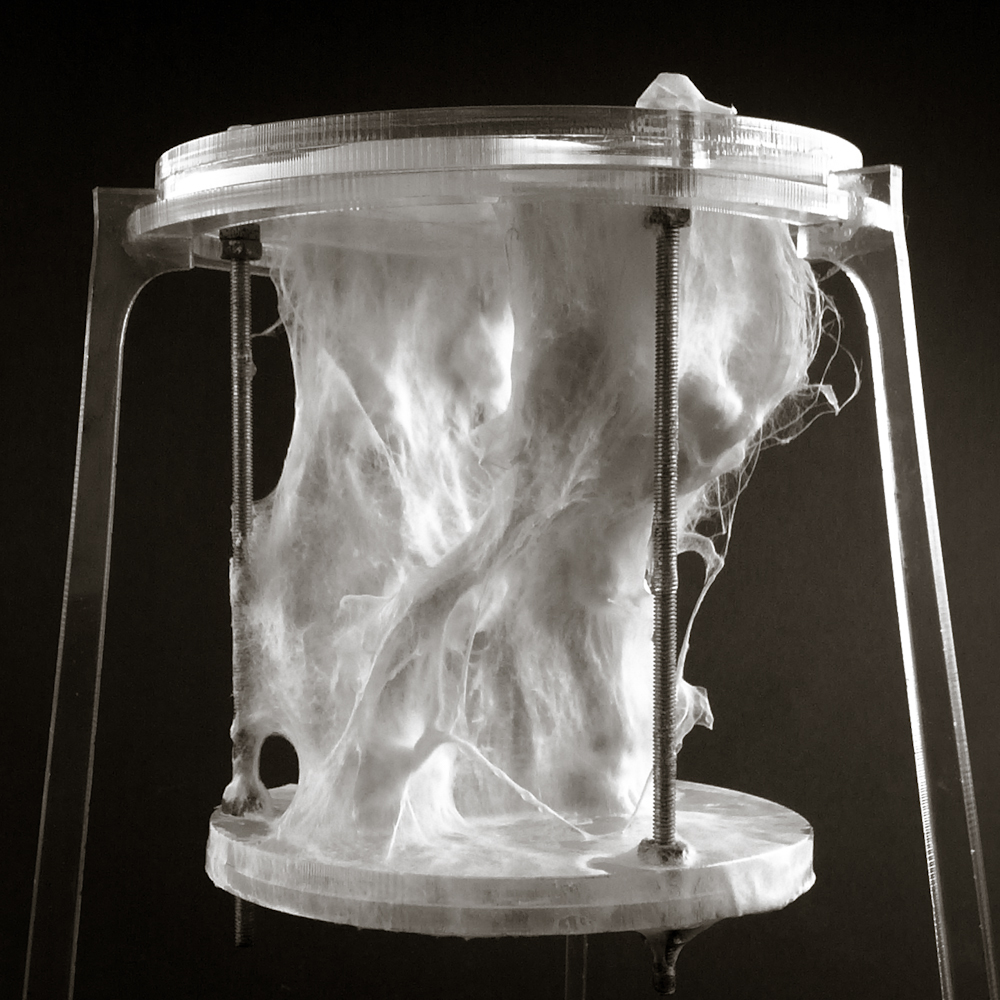
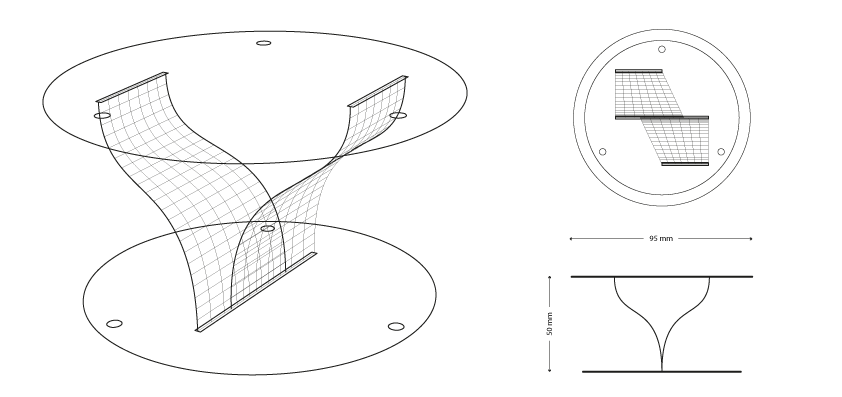
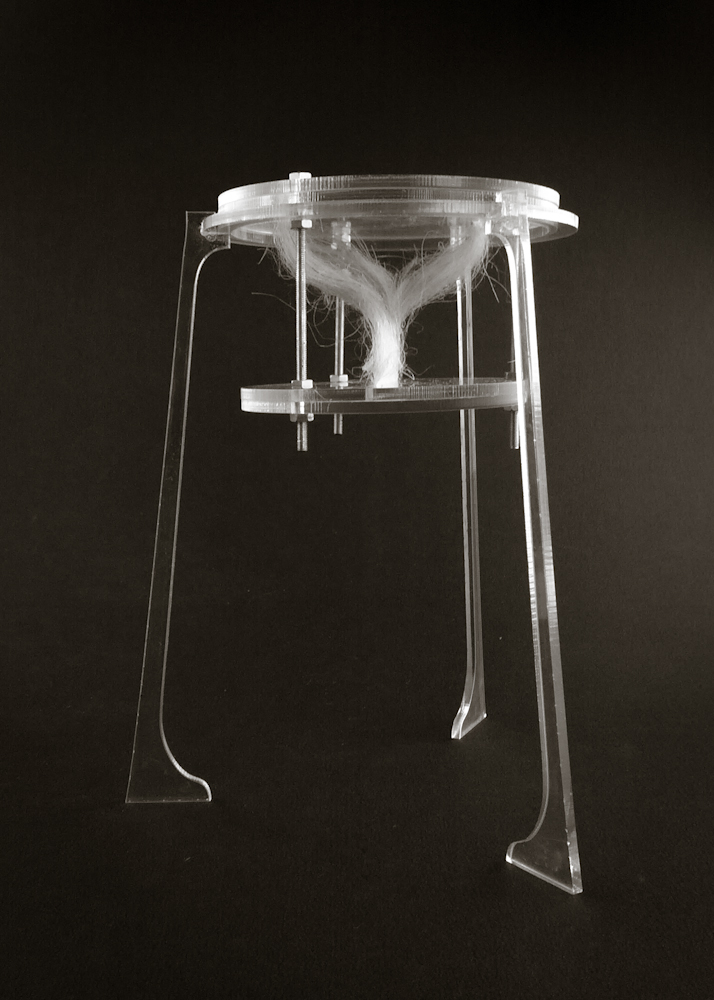
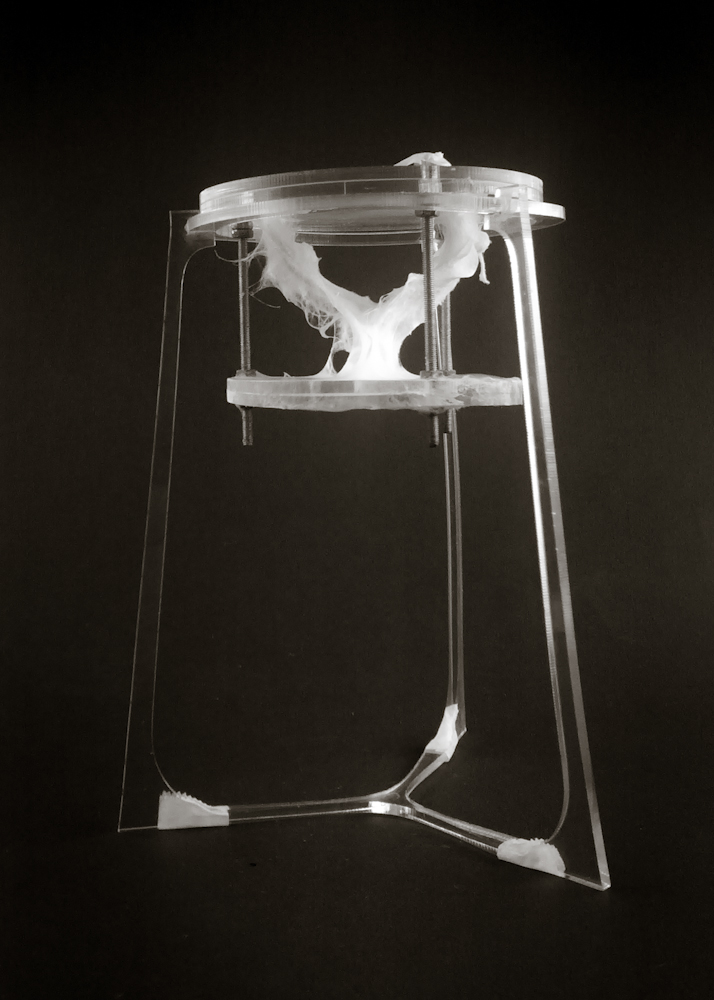
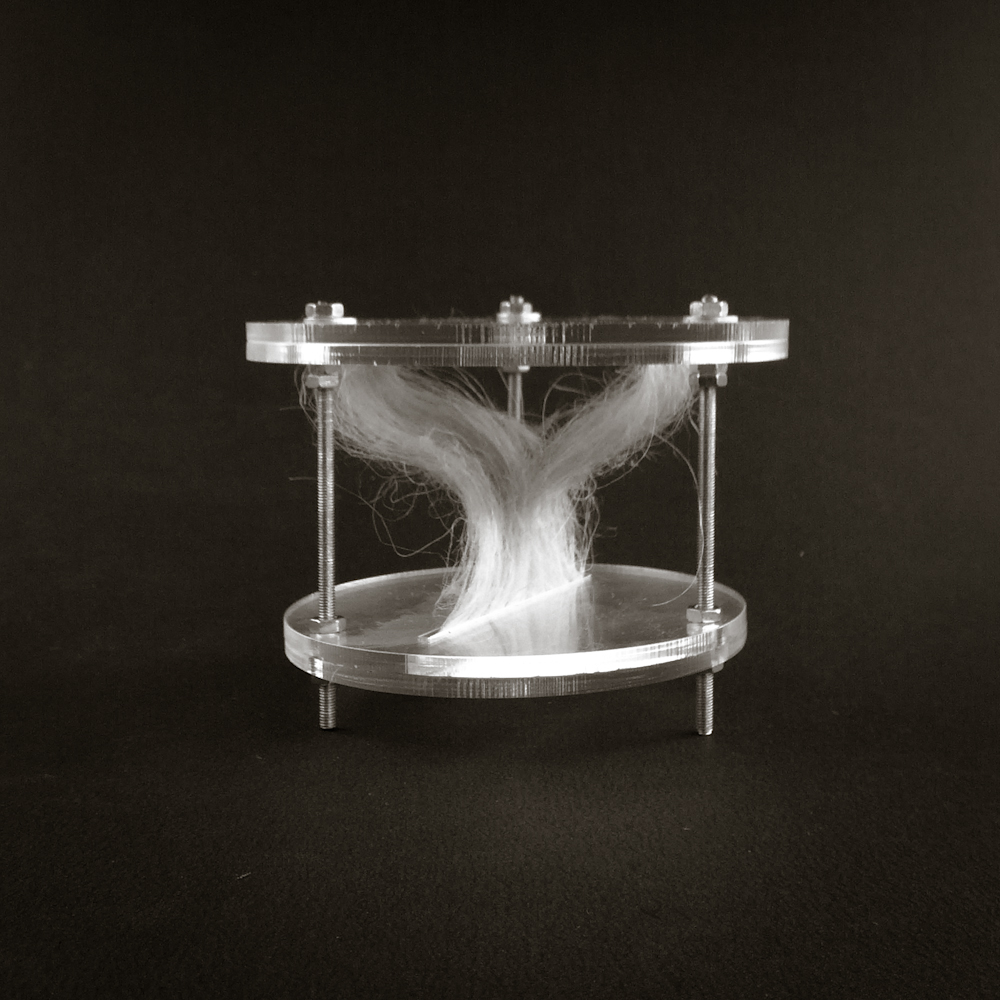
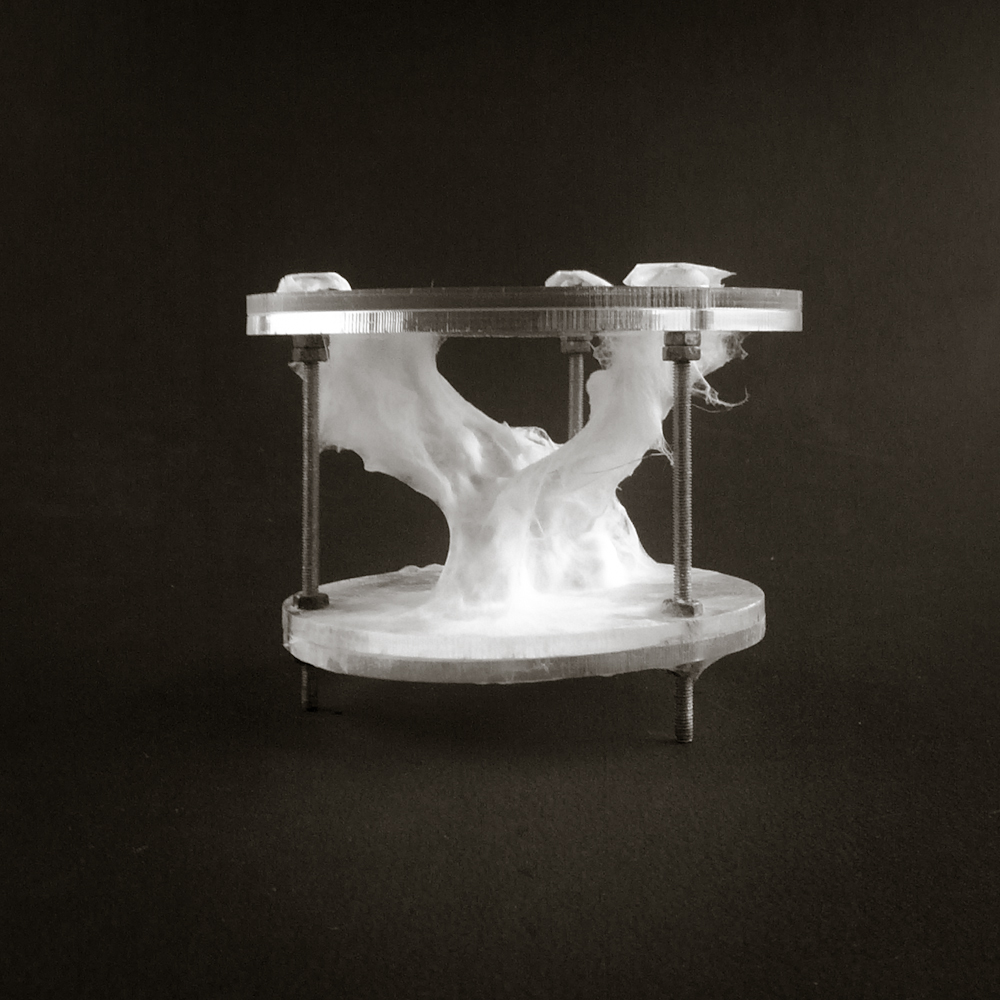
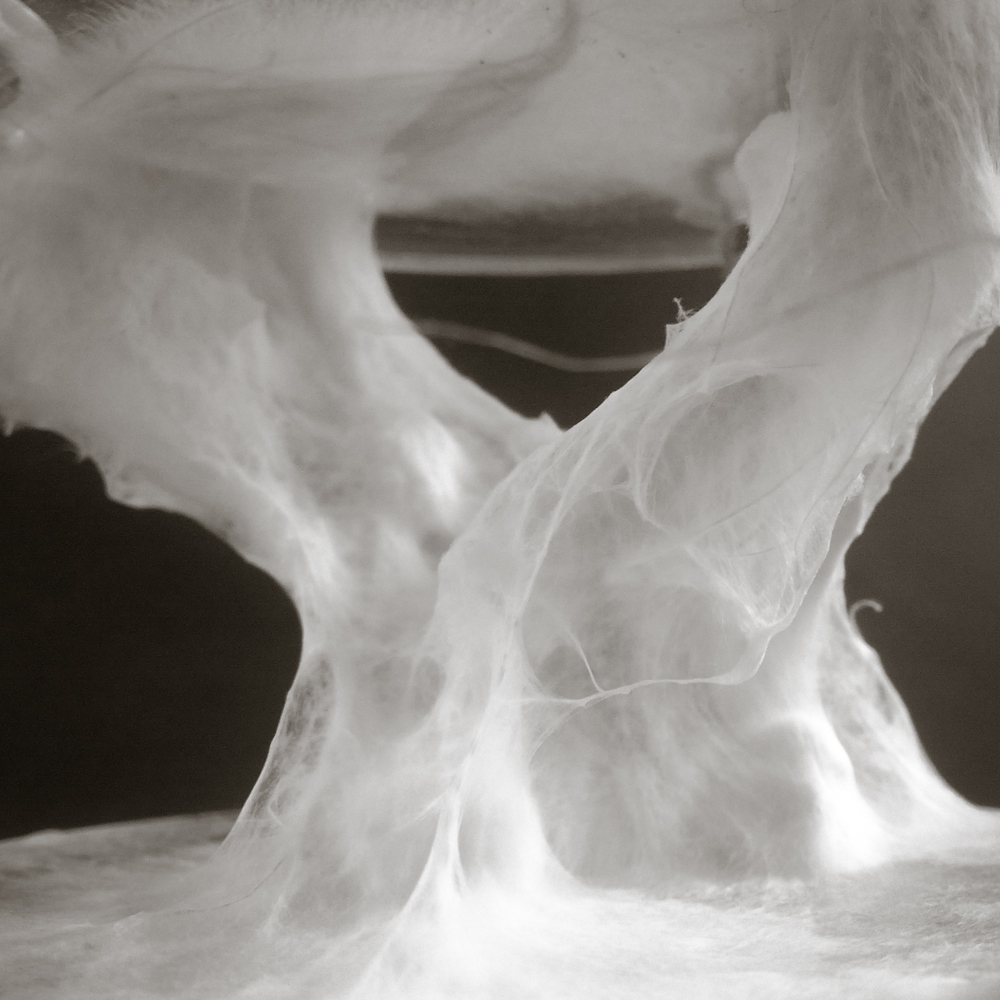
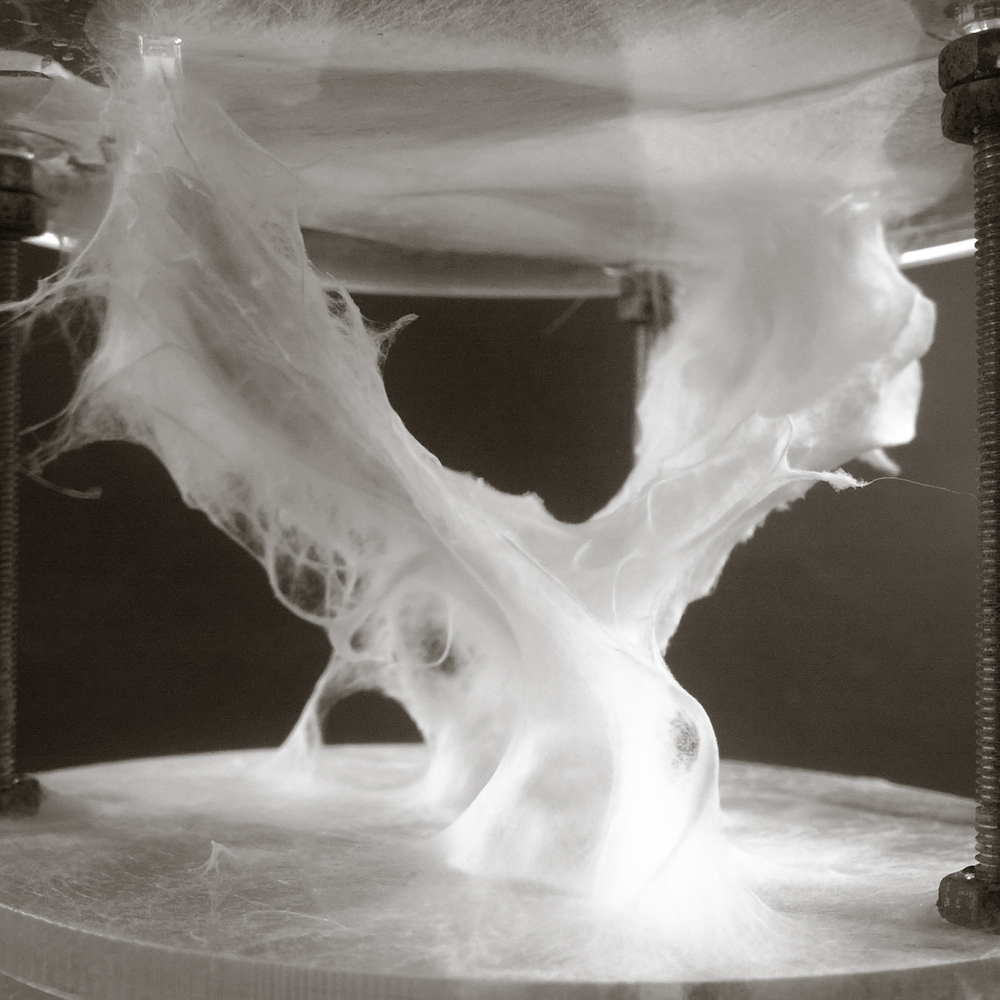
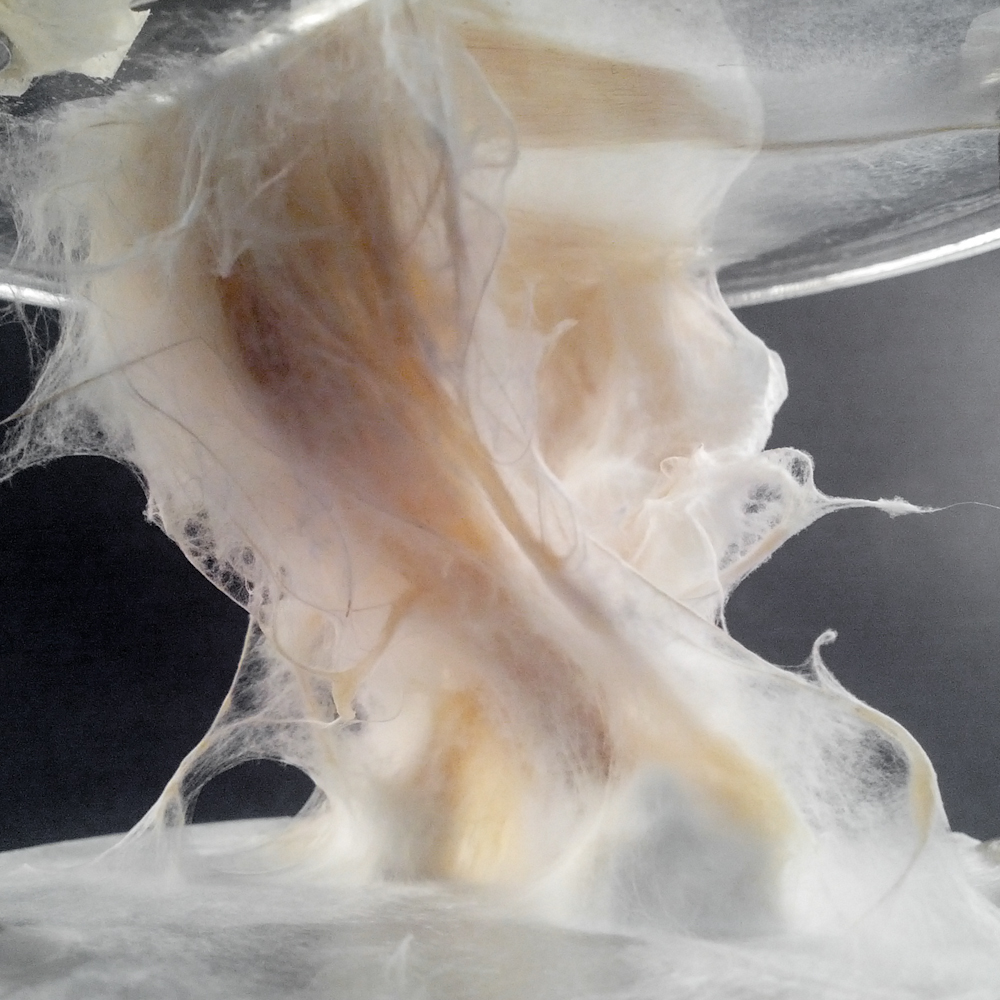
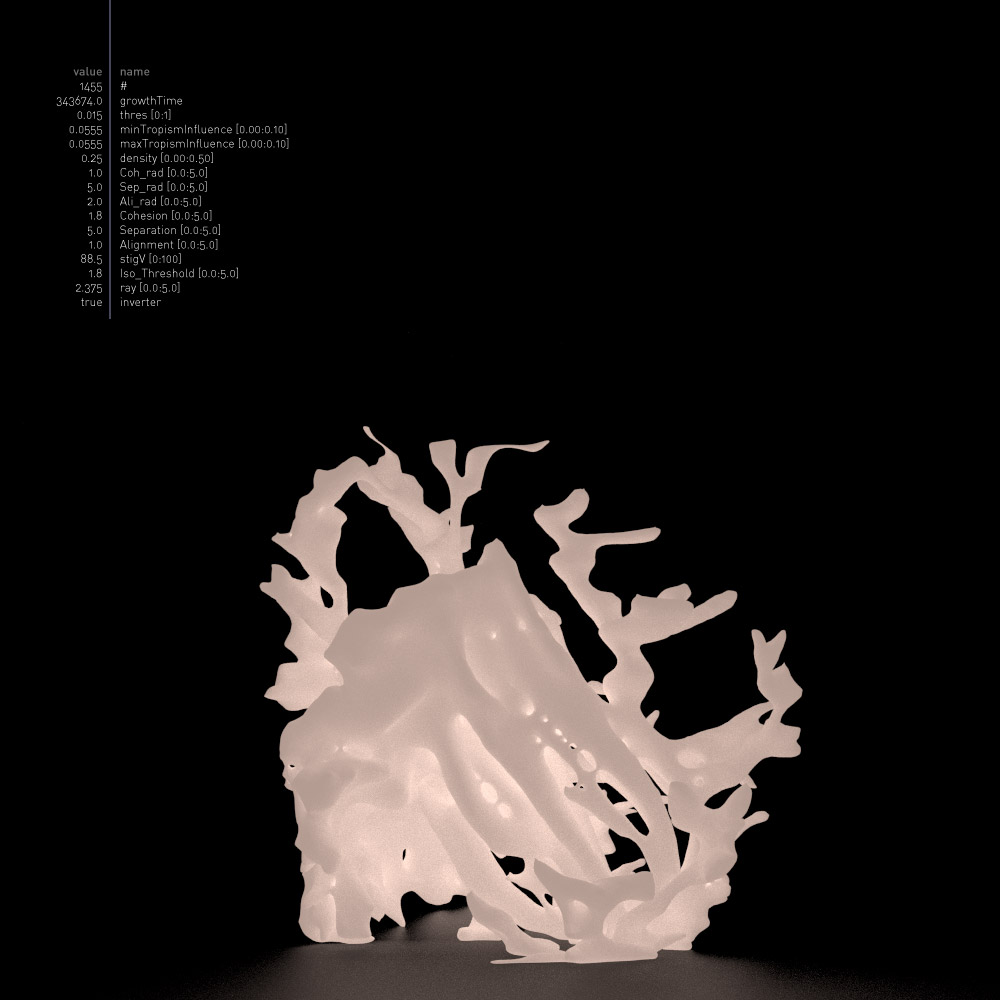
A really glow night experience…
My code has reached version 1.0 and here I am to explain some new features and change log.
 change.LOG:
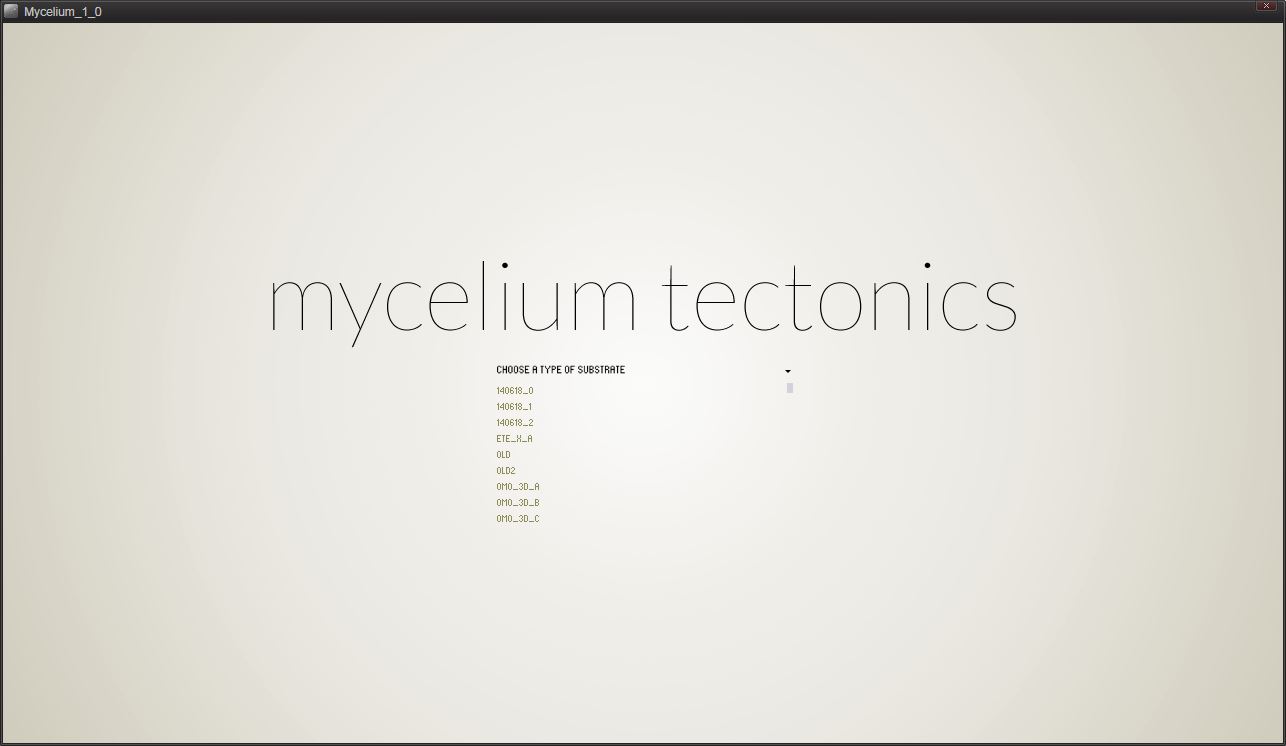
 1.0 > select folder to upload substrate space >> cpSel_Sub()
       creation of run() and runSurface()
       title at the beginning
       agent_data no more > all agent information are stored in substrate_data/"subfolder"
       export CSV > add "name" and "frameCount"
       temporary info > sPrint: string to print & toPrint: boolean to activate print procedure
 0.9 > export file image+mesh+parameters in a subfolder /export-data/YYYYMMDD
I found very usefull the possibility to choose different substrates at the beginning of the sketch, playing the simulation with some parameters and run again the sketch without changing them.
The controlP5 library and the class listBox let me the chance to look into a system folder and choose a different substrate at any time.
Grazie a strumenti come processing è possibile sperimentare ed esplorare in maniera abbastanza intuitiva nuovi sistemi che relazionino oggetti e comportamenti tra loro. Basta avere qualche nozione di programmazione ed integrandola con i tanti riferimenti/tutorial e documentazione online si riescono a fare autonomamente diversi passi avanti.
Il mio studio parte dalla comprensione di quelli che sono gli agent-system e i sistemi di flocking applicati nel campo specifico del micelio. Ognuna delle ife che va a costituire il micelio è difatto interpretabile come un singolo agente capace di diramarsi (branching ) e di esplorare lo spazio in funzione della quantità di cibo, degli agenti vicini, di un campo vettoriale.
Ringrazio co-de-it per aver condiviso il loro lavoro; punto di partenza fondamentale:
CTRL.SHIFT – the Control Shift | GH+P5 Co-de-iT workshop Vienna – 02>07 April 2013
Di seguito i vari step con i relativi progressi.
Continua a leggere
Devi effettuare l'accesso per postare un commento.